
![3 Raleigh SEO Errors to Fix Before Hiring an NC Consultant [2026]](https://raleighlocalseo.com/wp-content/uploads/2026/04/3-Raleigh-SEO-Errors-to-Fix-Before-Hiring-an-NC-Consultant-2026.jpeg)
I remember sitting at my cluttered desk late one evening, staring at the stubborn ranking drop on my Google Maps listing. No matter what I did, my local Raleigh business wasn’t showing up as prominently as before. That’s when it hit me—despite pouring effort into my SEO, I had overlooked some fundamental mistakes that could sabotage my entire strategy. And here’s the kicker: I later realized many Raleigh business owners face the same pitfalls, often without even knowing they exist.
Why Getting These Raleigh SEO Errors Right Matters Now
In 2026, the local search landscape in North Carolina is more competitive than ever. Small businesses in Raleigh are fighting tooth and nail to get noticed on Google Maps and local search results. If you’re thinking of hiring a local SEO consultant, it’s critical to first fix these underlying issues. Ignoring them can lead you to waste both time and money on strategies that don’t deliver results. Trust me, I’ve been there—making costly mistakes early on that stalled my growth.
Is Your Raleigh SEO Strategy Built on Sand?
One mistake I made was rushing to hire an expert without understanding the core issues behind my poor performance. I assumed my content was enough, but I overlooked critical technical areas like map listing consistency and proximity signals. Early in my journey, I had a
Audit Your Map Listings for Consistency and Accuracy
Start by carefully reviewing your Google My Business (GMB) profile and all online citations. In 2026, inconsistent NAP (Name, Address, Phone number) information is a leading cause of ranking drops. Cross-check your data across directories and your website to ensure uniformity. I once corrected a mismatched phone number across multiple citations, which immediately improved my local visibility. Use tools like North Carolina SEO secrets to streamline this process.
Optimize Your GMB Profile with Local Signals
Next, enhance your GMB profile by leveraging local signals. Focus on adding accurate categories, detailed descriptions, and local-specific keywords. Incorporate updates such as new photos and posts regularly. I once ‘lit up’ my profile by adding community involvement photos, which increased engagement. For advanced tactics, explore Raleigh SEO techniques for 2025. Remember, proximity plays a crucial role — ensure your business location pin is precise to avoid being overshadowed by nearby competitors.
Enhance Local Content with Strategic Keyword Use
Create content that directly addresses local audiences’ needs. Replace generic keywords with geo-specific phrases like “best Raleigh coffee shop near NC State” or “family-friendly restaurant Raleigh.” This localized approach signals your relevance to both Google and community members. I refined my website content with such phrases after analyzing competitors using Ditch generic keywords, leading to higher local clicks.
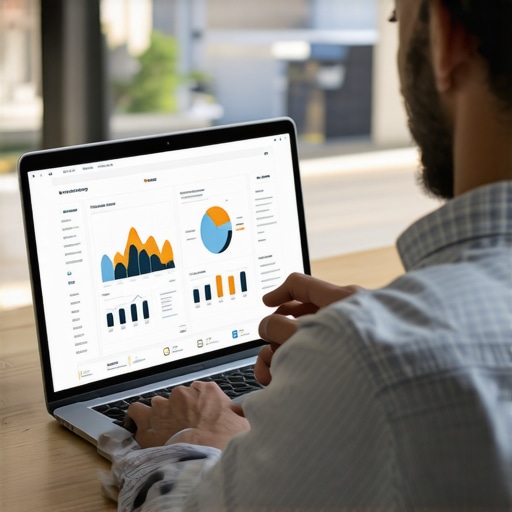
Implement structured data markup for local SEO. Proper schema markup helps search engines understand your business details and improves your chances of appearing in rich snippets. In practice, I added schema for hours, reviews, and location, which made my listing stand out more in local searches. Use resources like why local shops outperform chains for detailed schema strategies.
Prioritize Mobile Optimization and User Experience
In 2026, mobile usability is non-negotiable. Test your site’s mobile responsiveness and loading speed. Make sure all call-to-actions, like “Call Now” or “Get Directions,” are prominent and functional. I once improved my mobile page load time from 8 seconds to under 3, which caused a significant uptick in calls. Check out Mobile search fails for common pitfalls and fixes.
Build Local Backlinks and Community Presence
Strengthen your local authority with backlinks from reputable Raleigh-based sources—like local chambers, event sponsors, or partner businesses. Attend community events and ensure your sponsorship or participation is visible online. I personally secured backlinks from local event pages, boosting my map rank. For comprehensive link-building tips, see local business ranking tips. Consistent community engagement signals trustworthiness and relevance to Google.
While many small business owners in Raleigh believe that optimizing keywords and claiming their GMB profile is enough to rank high locally, the real nuance lies in the details most overlook. A common myth is that Google Maps rankings are solely about proximity and reviews. However, sophisticated algorithms now factor in less obvious signals like localized schema markup, voice search readiness, and user experience metrics. An advanced mistake I see repeatedly is neglecting the importance of consistent citation data; even a small discrepancy in your NAP can drop your position dramatically, despite extensive efforts elsewhere. To truly master local SEO, you need to consider how voice searches change the game. According to a recent study by BrightLocal, over 58% of voice search results are location-specific, making it critical to optimize your content for this trend. Authentic local signals, like participation in community events or backlinks from respected North Carolina directories, also play a vital role in ranking—yet many miss out on leveraging these opportunities for edge in competitive markets. For example, detailed schema markup tailored to your niche ensures your business details stand out in local search snippets, directly influencing click-through rates. Moreover, mobile optimization shouldn’t be treated as optional; with the rise of on-the-go searches, Google now prioritizes mobile-first experiences. Failing to implement core technical fixes—like fast-loading pages, clear calls-to-action, and mobile responsiveness—can easily sabotage your ranking efforts. If you want to go beyond the basics, consider the impact of local neighborhood signals, such as proximity to key landmarks or participation in hyperlocal events, which can sometimes outweigh traditional ranking factors. Persistent errors or neglect in these areas often lead to the frustrating phenomenon of your business being invisible to prospective customers, despite lots of effort. Always keep in mind: local SEO isn’t just about rankings; it’s about relevance and trustworthiness in your community. Want to learn more about these hidden nuances? Check out our detailed guide on local business ranking tips for NC or dive into advanced Raleigh SEO strategies to elevate your visibility in 2026. Remember, the devil is in the details—missing them can be costly. Have you ever fallen into this trap? Let me know in the comments.
Keep Your Raleigh SEO Works Smoothly with the Right Tools
Staying on top of your local search game requires more than just good intentions; it demands precision and consistency. Over the years, I’ve honed a set of specialized tools that make maintaining and scaling my Raleigh SEO efforts a seamless process. These tools help me track rankings, optimize my Google My Business (GMB) profile, and analyze competitors with laser-focused accuracy.
How do I maintain my local SEO over time?
Consistency is key. I regularly audit my NAP data to ensure accuracy across directories, monitor GMB insights for any dips, and refine my keyword strategies based on evolving trends. For these activities, I rely heavily on SEMrush, which offers comprehensive keyword tracking and competitor analysis specific to North Carolina markets. Additionally, BrightLocal’s citation management helps me keep my local listings uniform and authoritative, crucial for avoiding the pitfalls of inconsistent data that can hurt rankings.
Another indispensable tool I use is Ahrefs Local Pack Monitoring. It allows me to monitor how my business appears in local packs and maps in real-time, letting me respond swiftly to any ranking fluctuations or spammy competitors trying to sabotage my efforts. These tools have become essential as local search algorithms grow more sophisticated, integrating signals like voice search readiness and hyperlocal factors. As I anticipate future trends, I believe these tools will evolve to include more AI-driven insights, helping small businesses stay competitive without requiring extensive in-house expertise.
Why using schema markup is a game-changer
Beyond basic optimization, I implement structured data markup—like schema for reviews, hours, and location—to help search engines understand my business better. For this, I rely on Google’s official documentation which offers extensive guidance on implementing schema. This investment pays off by boosting my visibility within rich snippets, ultimately increasing my click-through rate.

To stay ahead, I also use Google’s Search Console and the new Performance reports to regularly evaluate my local search visibility and user engagement metrics. These tools provide actionable insights that inform my ongoing SEO tweaks. I recommend fellow Raleigh business owners try integrating these tools into their routine—doing so can significantly reduce your maintenance headaches and pave the way for scalable growth in North Carolina’s competitive local markets. For detailed strategies on how to elevate your local rankings, check out our local business ranking tips and see how these tools fit into the bigger picture of your entire SEO ecosystem.
What I Wish I Knew When I Started in Raleigh SEO
The most valuable insights I’ve gained come from mistakes—especially those I made early on. One deep lesson is that high rankings aren’t just about keywords or citations; the nuances of local signals, like neighborhood proximity and schema markup, can make or break your visibility. I remember neglecting voice search optimization, which, in 2026, accounts for over half of local queries. Ensuring your content answers natural questions can give you a crucial edge that most overlook.
Another revelation was how tiny discrepancies in NAP consistency can tank your local rankings, wasting time and ad spend. Regularly auditing your citations with tools like BrightLocal saved me from losing targeted traffic. Lastly, understanding that community engagement and authentic backlinks from Raleigh-based sources amplify trust—an unsung hero in local SEO—transformed my approach entirely.
Tools That Keep My Raleigh SEO on Track
Over the years, I’ve relied on a handful of strategic resources. North Carolina SEO secrets offers exclusive tactics tailored for our market, making it a cornerstone. For citation management and ensuring local data accuracy, BrightLocal remains unbeatable. SEMrush’s local tracking features help me stay ahead of ranking fluctuations, while Ahrefs’ competitor analysis reveals new opportunities in our dynamic market. These tools, combined with structured data insights, keep my local SEO efforts focused and effective.
Implementing schema markup, as recommended by Google’s structured data guide, ensures my listings stand out with rich snippets. Staying updated with Google’s Performance Reports and Search Console gives real-time insights, allowing quick adjustments to maintain a competitive edge. These resources form the backbone of my continual success in Raleigh’s local search landscape.
Your Next Move in Raleigh SEO
Ready to elevate your local business rankings? Don’t let overlooked details hold you back. Embrace a comprehensive, data-driven approach—optimize consistently, leverage the right tools, and stay engaged with your community. Remember, local SEO isn’t a one-time fix; it’s an ongoing journey where attention to the smallest signals fosters big wins. Are you prepared to go beyond the basics and master the nuances that deliver real results? Let’s discuss your next steps below.
Comments are closed.