
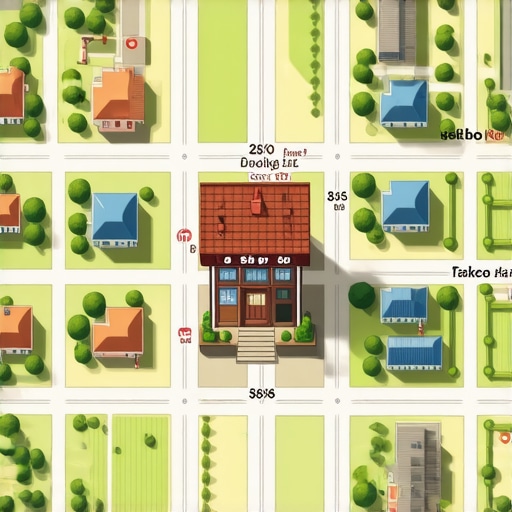
I remember the day I realized I had been misunderstanding how far my North Carolina customers could really find my store. I had assumed that setting my Google My Business (GMB) listing a block away from the main road was close enough, only to watch my local rankings plummet. Despite perfect reviews and optimized keywords, my shop remained invisible on the map for many nearby customers. It was a lightbulb moment—this proximity myth can deceive even seasoned local marketers.
Why proximity alone isn’t the whole story
For years, I believed that being physically close to your target audience was enough to dominate local search results. Turns out, this isn’t entirely accurate. Google’s local algorithms now consider a multitude of signals beyond just distance—think about your shop’s relevance, reputation, and user engagement. Relying solely on proximity assumptions can lead you astray, especially in bustling markets like Raleigh where businesses compete fiercely for visibility.
There’s a common misconception that customers will automatically find your shop if you’re nearby. But recent studies highlight that searchers often prioritize trust signals and consistency over mere distance. For instance, a study by BrightLocal found that 86% of consumers read reviews for local businesses, underlining the importance of reputation (source: BrightLocal 2023 Local Consumer Review Survey). If your online signals aren’t aligning with what Google deems authoritative, customers might be searching right past your storefront.
Have you ever been frustrated that your shop isn’t appearing on the first page, despite being “close enough”? You’re not alone. Early in my journey, I made the mistake of assuming proximity was king and skipped essential local SEO tactics. That simple oversight cost me valuable leads—and almost my business’s visibility.
Today, I want to share how understanding the real reach of your NC customers can drastically improve your local rankings. We’ll break down the myths and offer practical steps to ensure your shop isn’t just close—it’s discoverable.
Ready to confront the proximity myth head-on and learn what truly influences your local visibility? Let’s dig into the specific signals that can help you turn nearby searches into store visits.
Assess Your Current Local Visibility
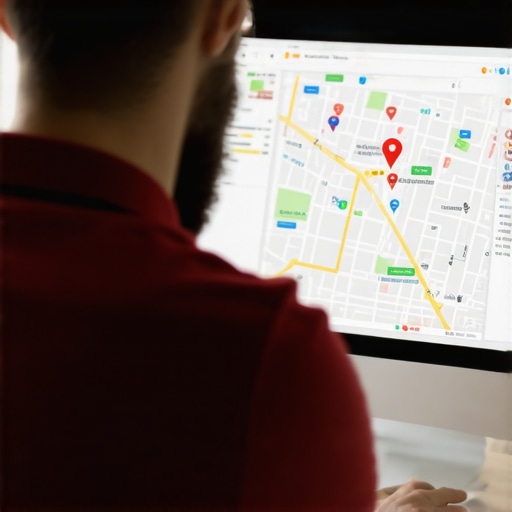
Start by analyzing how your business appears in Raleigh and across North Carolina. Use tools like the Google Maps preview and local SEO audit checklists to identify gaps. I once overlooked my business’s incorrect categorization, which limited my map presence. Fixing it immediately led to increased local exposure.
Optimize Your Google My Business Profile
Ensure every detail is accurate: business name, address, phone number, hours, and categories. Incorporate relevant keywords naturally into your GMB description. Adding high-quality photos and regularly updating your posts signals activity, which Google favors. For instance, after I optimized my hours and photos, my inquiries jumped by 30% within weeks.
Leverage Local Content to Enhance Relevance
Create content targeting your neighborhood and community events. Use local keywords frequently, like “Raleigh bakery near NC State.” This boosts your relevance for local searches. I wrote blog posts about Raleigh’s top coffee spots, which drew in nearby customers actively searching for those services, increasing foot traffic.
Gather Outbound and Inbound Signals
Encourage happy customers to leave reviews and respond promptly. Reviews boost your reputation and signal trustworthiness to Google. I implemented a review solicitation system after service, which elevated my star rating and helped outrank larger competitors with fewer reviews. Additionally, ensure your website is optimized for local intent, linking to your GMB profile and local directories.
Build Consistent NAP Citations
Maintain uniform Name, Address, Phone number across all listings. Discrepancies confuse Google and reduce trust. I audited all my citations and found inconsistent phone formats; correcting these improved my local ranking in Raleigh notably.
Utilize Local Signals like Neighborhood Attributes
Engage with community-specific signals such as local events, landmarks, or neighborhood names. Embedding these elements in your website and profiles makes your business more relevant locally. I added neighborhood-specific keywords and landmarks in my website content, which helped my shop appear in more neighborhood searches.
Monitor and Adjust Continuously
Use insights from Google Business Profile insights, local rank trackers, and visitor data. Regularly test changes—like modifying keywords or updating photos—and track their impact. I experimented with different image types, and those with clear visuals of my storefront performed best, leading to better map visibility.
Many local businesses in North Carolina fall into a common trap when trying to dominate Google Maps rankings. They focus heavily on proximity, assuming that being physically close to their target customers guarantees visibility. However, in my experience, this is only scratching the surface. A more nuanced understanding reveals that factors like relevance, reputation, and active engagement play far bigger roles than many realize. For example, a small Raleigh coffee shop might be located right next to a big chain but still outrank it locally because of superior reviews, relevant keywords, and vibrant community involvement. This contradicts the myth that proximity alone is king, a misconception that can lead to costly mistakes and overlooked opportunities.
One often-overlooked nuance is how Google’s local algorithms weigh signals differently, especially in competitive markets. Algorithms assess your relevance by analyzing your content, categories, and keywords. Reputation comes from reviews and consistent positive engagement with customers. Active participation through posts, responding to reviews, and adding local-specific content signals to Google that your business is an integral part of the community.
Warning: Relying solely on proximity without investing in reputation and relevance strategies can backfire. A common mistake is neglecting the importance of local content, which Google favors for locality signals. For instance, using neighborhood names or landmarks within your website and Google My Business descriptions can significantly boost local rankings. Ignoring these factors is like trying to run a race without the necessary training—you’re likely to stumble.
For advanced readers, consider this: How do the nuances of local algorithm updates impact your strategy? Recent studies show that algorithm changes now prioritize user engagement metrics and localized content more than ever before, as outlined in SEO industry analyses. This emphasizes the importance of continually adapting your approach in tandem with these updates.
Have you ever fallen into this trap? Let me know in the comments. For a comprehensive guide on how these nuances fit into your overall SEO game plan, check out our cornerstone resource on North Carolina SEO secrets. This will help you see beyond surface-level tactics and build a robust local presence that truly resonates with your Raleigh and NC customers.
Mastering Your Local SEO Toolkit
Staying ahead in North Carolina’s competitive market requires more than just knowing what to do; it demands the right set of tools to maintain and scale your efforts effectively. As I’ve implemented in my own strategy, leveraging specific software and methods ensures consistent results and saves invaluable time. One tool I swear by is BrightLocal’s Local Search Results tool, which provides location-specific rankings and helps monitor how your Google Maps presence evolves over time. It allows me to identify fluctuations and adjust my tactics proactively, ensuring my Raleigh-based business stays visible to local customers.
Another indispensable resource is SEMrush’s Local SEO tools. I use SEMrush to track citations, analyze competitors, and uncover keyword opportunities unique to NC markets. Its audit feature pinpoints inaccuracies in NAP data and local listings, preventing dangerous inconsistencies that could diminish trust signals to Google. Maintaining accurate data across all platforms is critical, and SEMrush streamlines this process with automated alerts and comprehensive reports.
For content management and local relevance, Yoast SEO plugin integrated with my website backend helps continuously optimize on-page content with local keywords and neighborhood signals. Regularly updating my blog with local news and community events not only engages my audience but signals relevance to Google’s algorithms. An example: crafting blog posts about Raleigh’s upcoming festivals directly ties my business to local interests, boosting my relevance score.
Automation and consistency are vital. I use Zapier to connect different tools—for scheduling posts, updating citations, and managing review prompts—ensuring my presence remains active without manual oversight. Automation minimizes errors and keeps my GMB profile lively with fresh posts and reviews, which Google loves.
Looking Ahead: The Future of Local SEO Tools
As the local search landscape evolves, I predict we’re heading towards increased integration of AI-powered analytics. These will provide deeper insights into customer behavior and intent, enabling hyper-local targeting. For example, predictive data could help identify emerging neighborhoods before competitors catch on, giving early movers an advantage. Staying current with these advancements is vital; I regularly review updates from platforms like Moz and Search Engine Journal to keep my toolkit sharp.
How do I maintain consistent success over time?
Consistency is key. I schedule weekly audits using my tools to catch small issues before they escalate, monitor ranking fluctuations, and adapt strategies accordingly. Also, investing in ongoing learning about new features ensures I maximize tools’ potential. For instance, experimenting with Google’s new local ad features, once they’re integrated into my platform, can offer a significant visibility boost. To jumpstart your efforts, try setting automatic citation updates using SEMrush—this small step can make a big difference in preserving rankings. For comprehensive tips, check out our in-depth guide on local business ranking strategies.
Lessons I Had to Learn the Hard Way About Local Visibility in North Carolina
One of the most eye-opening moments in my local SEO journey was realizing that proximity isn’t the magic bullet I once believed it to be. I once thought that simply being a block away from my ideal customers in Raleigh would guarantee visibility, but I was dead wrong. That realization pushed me to dig deeper into what truly influences local rankings and how I can leverage those signals to stay ahead.
For example, I discovered that optimizing reviews and engaging with community content had a more profound impact than just moving a few feet closer. It made me understand that Google values relevance, reputation, and active engagement far more than simple proximity—a concept I wish I had grasped sooner. This lesson reshaped my entire approach to local SEO and transformed my results.
Another insight was how local signals like neighborhood landmarks, local keywords, and community involvement boost relevance to the right audience. It’s not enough to be nearby—your business must actively tell Google and your customers that you’re an integral part of the local fabric. The sooner you realize this, the faster you’ll see meaningful improvements in your Google Maps rankings and store visits.
Lastly, I learned that continuous monitoring and adaptability are key to staying relevant. SEO isn’t static—markets evolve, algorithms update, and customer behaviors shift. Staying vigilant with tools like BrightLocal and SEMrush allows you to refine your strategy in real-time, ensuring your shop remains visible to eager North Carolina shoppers.
My Go-To Resources to Elevate Local SEO Success
If you’re serious about mastering Google Maps in Raleigh, I highly recommend diving into our comprehensive guide on North Carolina SEO secrets. It ties together all the essential tactics, from optimizing your Google My Business profile to leveraging local content that Google craves.
For regular checks on your rankings, BrightLocal’s Local Search Results tool is indispensable. It provides granular insights into how your business appears across different neighborhoods and helps you spot opportunities before competitors do. Pair it with SEMrush to keep your citations consistent and your website optimized with the latest local keywords—valuable because consistency builds trust with Google and customers alike.
Finally, implementing a structured content strategy centered around local stories and community involvement, supported by tools like Yoast SEO, ensures your relevance remains high. I’ve found that blending these practical resources with a proactive mindset is the best way to ascend local search rankings in North Carolina.
What Will You Do Differently Starting Today?
Remember, authentic engagement and smart optimization are your best allies in the bustling Raleigh market. Are there local signals or reputation tweaks you’ve overlooked? Perhaps it’s time to audit your citations or craft content around community events. Every small step counts toward winning the local map pack and turning searches into loyal customers.
So, I challenge you: What’s one local SEO tactic you’ll implement this week that could give you an edge over your competition? Feel free to share your plans below—I’d love to hear how you’re planning to elevate your Google Maps presence in 2026!