
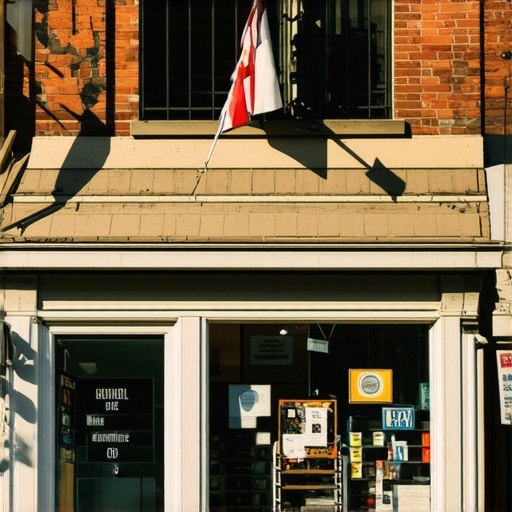
I remember the moment clearly. I was in downtown Raleigh, trying to grab a quick coffee before a meeting. As I wandered, I noticed a tiny boutique nestled between towering national chains. Surprisingly, this small shop was packed with customers, even on a Tuesday morning. It hit me—how does a small business outshine giants with endless resources? I realized it wasn’t just luck or good luck; it was smart use of local signals that made the difference.
Cracking the Code: Why Local Signals Matter More Than Ever
Small shops often believe that big chains have all the advantage when it comes to visibility. But the truth is, local SEO has leveled the playing field. By optimizing local signals—like Google My Business (GMB) profiles, neighborhood keywords, and proximity—you can genuinely outrank those massive brands, especially in Raleigh and across North Carolina. The beauty is, this strategy doesn’t require a multi-million-dollar marketing budget; it’s about making your presence felt where it counts: in your community and on local search results. If you’ve ever felt like your small store is invisible online, you’re not alone. Many owners rely on basic listings or occasional social media posts, missing out on the deep potential of local signals. But here’s the good news: with some targeted tweaks, you can appear on the coveted top spots in Google Maps and local packs, driving foot traffic and calls without the need for expensive ads.
Have You Faced the Frustration of Being Overlooked?
Trust me, I’ve been there. Early on, I made the mistake of ignoring neighborhood-specific keywords, which limited local visibility and let competitors steal potential customers. That’s a common mistake I see often. The good news is, these issues are fixable—especially when you understand which signals matter most today. Want to learn how small Raleigh shops are outranking national chains? Stay tuned, because next, we’ll explore the proven strategies rooted in the latest local SEO insights and real-world examples. For more detailed tips on improving your local ranking, check out our comprehensive guide on essential local business ranking tips.
Claim and Optimize Your Google My Business Profile
Start by asserting control over your GMB listing. Ensure all details are accurate and comprehensive: business name, address, phone number, and hours. Add high-quality photos that showcase your shop authentically, and write engaging descriptions focusing on neighborhood keywords. Regularly update your listing with posts about current promotions or events to signal activity to Google. Remember, a well-optimized GMB profile is like a storefront window—your first impression, so make it count.
Implement Local Keyword Strategies
Go beyond generic keywords. Use neighborhood names, local landmarks, and regional slang in your website content, meta descriptions, and headings. For example, instead of just “coffee shop,” write “best Raleigh coffee shop near Glenwood South.” Sprinkle these naturally into your content to align with what locals search for. This tactic pinpoints your business’s relevance in specific communities, boosting your chances of appearing in local search results.
Enhance Your Local NAP Citations
Ensure your Name, Address, and Phone number (NAP) are consistent across all online directories—Yelp, Yellow Pages, North Carolina business listings, and more. Inconsistent data can confuse algorithms and hurt your rankings. Use a central data source to update all listings simultaneously, preserving accuracy across platforms. This consistency reinforces your relevance within the local ecosystem, making it easier for Google to verify your business location.
Leverage Local Backlinks
Build relationships with neighborhood organizations, local blogs, and community pages. Seek opportunities for backlinks by sponsoring events, participating in local forums, or contributing guest posts. Quality backlinks from respected Raleigh sources act as votes of confidence, signaling to Google that your business is an active and trusted part of the community. This strategy often has a far-reaching impact on local rankings, especially when combined with the other signals.
Optimize Proximity and Map Presence
Ensure your physical location is accurately represented on Google Maps. Use precise latitude and longitude coordinates and verify your address through GMB. Physical proximity to your target customers is a crucial factor—Google favors shops closer to searchers. As an example, updating your map pin location based on new signage or street addresses can significantly improve your visibility in neighborhood searches. For advanced proximity tactics, explore these local map fixes.Many small business owners in Raleigh believe that simply optimizing their Google My Business profile or sprinkling in a few local keywords guarantees top rankings. However, this misconception overlooks critical nuances that can make or break your local SEO efforts. For instance, a common myth is that consistency in NAP citations alone ensures high local rankings. While NAP consistency is important, recent studies show that behavioral signals—like user engagement metrics and review velocity—play a significant role in establishing authority within local algorithms. Overlooking these can result in stagnant rankings despite perfect citations.
Another advanced mistake is neglecting the semantic context of local keywords. Using only generic terms like “Raleigh plumbing” without incorporating neighborhood-specific phrases or auxiliary signals fails to capture the full search intent. Google’s understands these contexts better than ever, especially with the rise of AI-driven local ranking factors. As highlighted by industry experts, integrating location-based schema markup and leveraging dynamic content tailored to different Raleigh neighborhoods can substantially elevate your visibility in local packs.
Furthermore, many overlook the importance of technical optimization within their website. Simple oversights like slow page load times, unresponsive design, or improper schema implementation can negate other on-page and off-page efforts. In fact, a 2024 study from Moz emphasizes that technical health influences local search rankings more than many realize. Ensuring your site meets core technical standards enables Google to crawl and understand your content more effectively, directly impacting your GMB and Map rankings.
A crucial nuance often missed is the impact of Google’s local proximity feature. Many assume proximity is a fixed attribute, but in reality, it can be manipulated through strategic map pin placements, accurate geocoding, and signaling local relevance via community engagement. For example, adjusting your store’s pin based on recent physical moves or recent street-level changes might seem trivial but can dramatically improve local results. For sophisticated strategies, review our guide on the latest local map ranking factors.
Finally, beware of pitfalls like over-optimizing for keywords that are overly competitive or relying solely on reviews without addressing other ranking signals. A balanced, multi-faceted approach that considers both traditional SEO and the evolving AI-driven local signals is essential. Keep in mind, prioritizing user experience and engagement signals often outweighs keyword density. For an in-depth exploration of these strategies, check out our comprehensive resource on local business ranking tips.
Have you ever fallen into this trap? Let me know in the comments.Maintaining a strong local SEO presence in Raleigh requires more than just initial optimization; it demands consistent effort, precise tools, and strategic updates. One of my go-to tools is BrightLocal, which I use daily for tracking NAP citations, managing reviews, and auditing local rankings. Its automated reporting not only keeps me informed but also highlights areas needing quick action, ensuring my clients stay ahead in the local map pack. Another indispensable tool is Whitespark’s Local Citation Finder. I rely on it to identify high-quality citation opportunities specific to North Carolina, helping to bolster local relevance and authority. When it comes to monitoring keyword rankings, SEMrush offers detailed insights with local modifiers, so I can see how my clients rank for neighborhood-specific searches like “Glenwood South Raleigh.” To streamline data management, I use Google Sheets integrated with scripts that sync with GMB insights, providing a real-time overview of customer engagement over time. As the trend moves toward AI-driven local ranking factors, leveraging schema markup tools like Google’s Structured Data Markup Helper becomes critical. Proper implementation of local business schema not only enhances visibility but also prepares your site for future advances in local search algorithms. Predicting the future, I believe integration of AI-powered local signal analysis and automation tools will become standard, enabling even small businesses to manage their SEO with less manual effort. Avoid the trap of neglecting ongoing maintenance; instead, set up regular audits using these tools to identify and rectify issues before they impact your rankings. How do I keep my Raleigh SEO efforts working over the long term? I recommend establishing a routine that includes monthly citation audits, review management, and schema updates. Over time, consistency in these actions pays off through sustained visibility and increased leads. To deepen your strategy, review our comprehensive guide on local business ranking tips, which covers advanced techniques essential for long-term success. Don’t underestimate the power of simple automation—try setting up a recurring Google Sheets dashboard linked with your GMB insights to monitor performance trends continuously. Taking these proactive steps ensures your Raleigh business remains visible in a competitive landscape and adapts to evolving local algorithms. For more practical insights and tailored strategies, consider reaching out through our contact page. Staying vigilant with the right tools today secures your local visibility tomorrow.
The Hardest Lesson I Learned About Raleigh SEO and Local Signals
One pivotal realization was that flashy ads or a huge marketing budget can’t beat the power of hyper-focused local signals. I once believed that appearing at the top of search results was all about backlinks or reviews alone, but I discovered consistency in local citations, schema markup, and neighborhood-specific keywords has a bigger impact than I thought.
Another eye-opener was understanding that proximity isn’t just a fixed attribute—it’s something you can influence through precise map verification and geocoding tweaks. I learned that even a small change in your store’s pin location can dramatically improve local pack visibility.
Lastly, the importance of engaging with your community through local backlinks and partnerships hit home. Building real relationships isn’t just good karma; it boosts your local SEO authority and traffic in tangible ways that big chain competitors often overlook.
My Go-To Tools and Resources for Local Business Success
I rely heavily on BrightLocal for accurate citation tracking and review management, as it keeps my clients ahead and audits their local presence effortlessly. Whitespark’s Citation Finder is invaluable for uncovering high-quality local citation opportunities specific to North Carolina, which helps in building a strong local footprint. SEMrush’s local rank tracking capabilities give me real-time insights into neighborhood-specific keywords and help tailor strategies effectively. Lastly, implementing schema markup with Google’s Structured Data Helper consistently improves our visibility in local search results, especially in vibrant markets like Raleigh.
Seize the Moment: Elevate Your Raleigh Business Today
Mastering local SEO, especially in a competitive place like Raleigh, is about persistent effort, strategic tweaks, and staying ahead of the ever-evolving signals that search engines prioritize. Remember, every small adjustment can lead to big leaps in visibility and foot traffic. Stay committed, use the right tools, and keep refining your approach.
What’s the most unexpected local SEO tip that helped your business improve in 2026? Share your experiences below—I’d love to hear what worked for you!
Comments are closed.