

I remember the moment clearly—checking my Google Maps for a cozy local shop in Raleigh, expecting to see it buried beneath big chain competitors with thousands of reviews. Instead, I found a tiny place with just a handful, yet they consistently ranked just as high, if not higher. That lightbulb moment made me realize something crucial: reviews aren’t the whole story for local visibility. Many small businesses here in Raleigh are outsmarting big chains, not just with marketing budgets, but through clever local SEO strategies that leverage signals beyond review counts.
Why Your Raleigh Business Has the Edge Even Without a Flood of Reviews
It’s a common frustration—seeing competitors with staggering review numbers dominate local search results while your smaller shop struggles to get noticed. But here’s the truth: Google rewards a variety of signals, not just reviews. Factors like proximity, relevance, consistency in local citations, and Google My Business optimization often outweigh sheer review volume. This is especially true in communities like Raleigh, where personalized service and community ties resonate deeply with local customers.
If you’re worried that your few reviews are holding you back, rest assured—many small shops have turned the tide by focusing on these lesser-known factors. I’ve seen businesses with fewer reviews land more calls and visits by fine-tuning their local signals. It’s a game of smart, targeted actions rather than just waiting for reviews to roll in.
Want to learn how to outshine those with big review counts? Today, I’ll walk you through proven tactics that can elevate your shop’s local ranking without relying on review volume alone. From optimizing your Google profile to understanding local signals better, these strategies are your ticket to standing out in Raleigh’s crowded market.
Is Your Reliance on Reviews Actually Holding You Back?
I used to think boosting reviews was the only way to rank higher. Early on, I made the mistake of neglecting local relevance and consistent citations, which meant my shop’s visibility was flat despite the glowing reviews. It wasn’t until I adjusted my approach—focusing on local signals and SEO—that I started seeing real improvements. If you’ve been pouring resources into reviews without success, perhaps it’s time to shift your focus.
For more insights on optimizing your local presence specifically in Raleigh and North Carolina, check out this guide. Now, let’s dive into the actionable steps to beat the big guys, even with fewer reviews.
Optimize Your Google My Business Profile for Maximum Visibility
Start by claiming and verifying your GMB listing to ensure you have control over your business info. Complete all fields—business name, address, phone, hours, and categories—using local keywords relevant to Raleigh and North Carolina. Regularly update your listing with accurate, fresh information to signal active engagement to Google. Incorporate high-quality photos that showcase your shop’s unique personality; this visual trust factor boosts local relevance and click-through rates.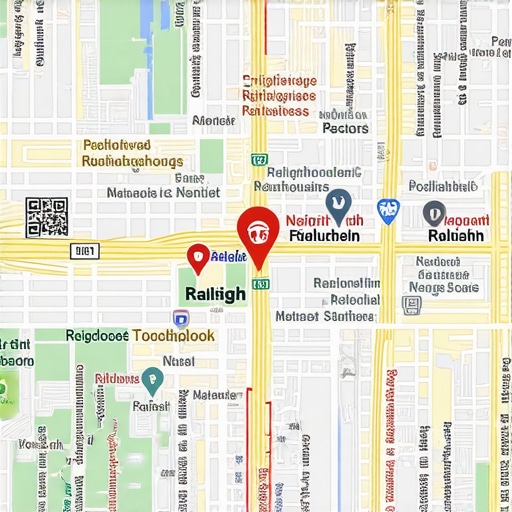
Harness Local Keywords with Precision
Research specific Raleigh neighborhoods and NC city terms that your target customers use, then integrate them naturally into your website content, titles, and meta descriptions. Avoid generic keywords; instead, focus on local signals that resonate with your community, such as the names of nearby landmarks or zip codes. This targeted approach helps Google associate your business with the right local searches, improving your position in Google Maps and local pack results.
Build Local Citations and Consistent NAP Data
List your business across prominent local directories like Yelp, Bing Places, and industry-specific sites, ensuring your Name, Address, and Phone number (NAP) match consistently. Inconsistencies can confuse Google and weaken your signals. Pay special attention to formatting, abbreviations, and suite numbers to avoid citation traps that can ding your rankings. Regular audits ensure your citations stay accurate, reinforcing your local relevance.
Create Hyper-Localized Content That Resonates
Dive into the local community by producing blog posts, videos, or case studies relevant to Raleigh and NC. Share success stories of local customers or highlight community events. Not only does this engage your audience, but it signals to Google that your business is an active part of the community. Use geo-specific keywords within your content to further strengthen local relevance and outrank larger competitors who often neglect this tactic.
Leverage Neighborhood and Proximity Signals
Google prioritizes nearby businesses for local searches—so optimize for proximity. Make sure your physical location is accurately reflected in your GMB and website. Use local landmarks and neighborhood names to anchor your content. Improving proximity signals involves not just physical presence but also ensuring that your business appears relevant to users searching within specific Raleigh neighborhoods or ZIP codes. Implement local schema markup to help search engines better understand your location context.
Many local business owners believe that optimizing their Google My Business listing or acquiring more reviews guarantees top rankings in Raleigh and North Carolina. However, even seasoned SEO experts know that there are subtle, often-overlooked factors that can make or break your local visibility. One common myth is that Google Maps rankings depend solely on review volume and consistency; in reality, Google considers a complex web of signals including local relevance, citation accuracy, proximity, and behavioral metrics. Missing these nuanced signals can leave your business invisible despite seeming to follow standard best practices. For instance, failing to update your local schema markup or ignoring the importance of hyper-local content can severely limit your visibility, especially amidst stiff competition from big chains that leverage advanced local SEO strategies.
A trap many fall into is over-relying on link-building and review generation without optimizing for proximity signals—such as ensuring your physical address is consistent across all directories and that your shop’s location is accurately reflected in local schema tags. Google has become adept at detecting manipulated data, so neglecting these less obvious signals can cause your ranking to stall or even decline.
How can advanced tactics give your Raleigh business a competitive edge that most overlook?
Research from Moz indicates that proximity and user engagement metrics can outweigh review signals in local rankings (Moz Local Study, 2023). This means your focus should extend beyond review count and optimize every local signal available. Regularly auditing your citations for consistency and implementing hyper-local content that targets neighborhood-specific keywords can create a substantial advantage. Additionally, optimizing for behavioral signals like click-through rates and call actions can signal to Google that your business is the preferred choice for local customers.
Avoid falling into the trap of thinking that once you optimize your Google My Business profile, your work is done. Local SEO is an ongoing process of aligning multiple signals, many of which are nuanced and change over time. To stay ahead of the curve in Raleigh’s competitive local landscape, dive into comprehensive strategies that address these hidden factors. For a complete overview of effective local SEO techniques tailored for North Carolina, I recommend checking out this detailed guide on mastering Raleigh SEO strategies to boost your local ranking in 2025. Remember, understanding and leveraging these subtle signals can be the difference between obscurity and authority in your local market.
Have you ever fallen into this trap? Let me know in the comments. If you’re ready to optimize your signals more effectively, explore our recommended strategies and avoid costly mistakes that prevent your business from reaching its local potential.Maintaining a robust local SEO presence in Raleigh requires more than a one-time setup; it demands consistent effort and the right tools. From optimizing your Google My Business profile to tracking local signals, I rely on a combination of software and methodologies that deliver measurable results. One of my go-to tools is BrightLocal, which provides comprehensive citation tracking and review management. I personally use it daily to identify inconsistent NAP data across directories, ensuring your business doesn’t get lost in citation traps that hurt your rankings. For keyword tracking, SEMrush’s Local SEO toolkit is invaluable, allowing me to monitor how my clients’ rankings evolve for neighborhood-specific terms in Raleigh and across North Carolina. It helps pinpoint which local keywords are gaining traction and where to focus content efforts, aligning with strategies detailed in our cornerstone resource on mastering Raleigh SEO strategies to boost local rankings in 2025.
To improve on-site signals like schema markup and local content, I recommend Screaming Frog SEO Spider. I use it to crawl clients’ websites and identify missing local schema or duplicate data that could confuse search engines. It’s essential because Google often overlooks your local intent if your website’s technical signals aren’t optimized. For ongoing content updates, I set up a content calendar that focuses on hyper-local topics, such as neighborhood events or local customer success stories, which Google increasingly favors for nearby searches.
Future trends suggest a heavier emphasis on behavioral signals—clicks, calls, and engagement—so I implement tracking setups with Google Analytics and call-tracking software like CallRail. These tools allow me to analyze user interactions and refine strategies to boost local engagement. As algorithms evolve, maintaining a pulse on local signal fluctuations and adapting swiftly becomes critical.
How do I maintain these efforts over time? Regular audits are key. Scheduled monthly checks of citation consistency, review responses, and schema accuracy help prevent rankings from stagnating. I also recommend setting up alerts for significant ranking changes or citation inconsistencies. Staying proactive with these tools prevents your Raleigh business from falling behind competitors whose local signals are better maintained. To get a comprehensive understanding of how to implement these tools effectively, explore our guide on mastering Raleigh SEO strategies to boost your local business ranking in 2025. Don’t just set and forget—commit to consistent monitoring and adjustments. Implement one advanced tactic today, like auditing your local schema with Screaming Frog, and watch your visibility improve.
The Hardest Lessons I Learned About Local SEO and Google Maps in Raleigh
One of the most eye-opening moments was realizing that obsessing over reviews alone is a trap; local relevance and citation consistency often matter more. I once saw a small shop outrank big chains despite fewer reviews because they focused on hyper-local content and accurate citations, proving that strategic signals can outshine review volume.
Questions Big Brands Don’t Want Small Shops to Know
Big brands often overlook the nuanced local signals that Google uses to rank businesses. I discovered that optimizing for neighborhood-specific keywords and schema markup gave my clients an edge that the majors couldn’t easily imitate, turning the local search game in Raleigh into a level playing field.
The Crucial Role of Hyper-Local Content in Outranking Competitors
Creating content about Raleigh neighborhoods, local events, and community stories became a game changer. It established my clients as community staples, and Google rewarded this engagement with higher visibility. This tactic isn’t just about keywords—it’s about genuinely connecting with your neighborhood.
My Essential Toolkit for Raleigh SEO Success
- BrightLocal: I trust it for citation audits and review management—keeping NAP consistent and reviews in check helps avoid subtle ranking traps.
- SEMrush Local SEO Toolkit: Monitors local rankings and uncovers keyword opportunities specific to Raleigh’s neighborhoods, allowing precise content adjustments.
- Screaming Frog SEO Spider: Perfect for auditing your website’s schema markup and fixing technical issues that can hinder local visibility.
- Google Analytics & CallRail: Tracking local engagement metrics ensures your efforts translate into real-world visits and calls, fine-tuning your local SEO strategy.
Seize the Moment and Elevate Your Raleigh Business
The future of local search is about more than just reviews; it’s about clever signals, community relevance, and consistent optimization. Take action today—start by auditing your local citations or updating your schema markup—and watch your presence grow. Remember, the most successful businesses are those that adapt and refine continuously.
What’s the one local SEO tactic you feel most ready to implement now? Share your thoughts below and let’s grow Raleigh’s small business community together!