

I remember the exact moment I realized my Raleigh-based shop was nowhere to be found on Google Maps during a busy Saturday morning. A potential customer from Durham called, frustrated, saying they’d searched for my services but couldn’t locate my storefront—even though I knew we were listed. That sinking feeling of invisibility hit hard. No matter how much effort I put into my business, the digital map wasn’t showing me to local customers. It felt like shouting into the void.
Cracking the Code of Google Maps Visibility in North Carolina
Many small business owners in North Carolina face a frustrating puzzle: why isn’t your brick-and-mortar shop appearing prominently on Google Maps? You’ve optimized your profile, added pictures, and even encouraged reviews, but somehow, your ranking remains flat or worse—your business is completely hidden. The truth is, Google Maps’ local ranking algorithm is complex and constantly evolving. I’ve learned through personal trial, error, and plenty of research that the real reason might not be what you expect—and it’s often simpler than you think.
The good news? There are proven strategies that can turn your invisible listing into a local beacon. Today, I’ll show you how I uncovered the key factors holding my business back and how you can do the same—without wasting months on pointless tricks.
If you’ve been scratching your head, wondering if your business will ever show up consistently on Google Maps, you’re not alone. And yes, the stakes are high. According to recent studies, 75% of people never scroll past the first page of local search results, meaning your visibility directly impacts foot traffic and revenue. Missing out on local smartphone searches can be the difference between thriving and just surviving.
But before we dive into the tactical steps, I want to address a common suspicion: Is optimizing the Google My Business (GMB) listing really worth it? Well, I’ll be honest—early on, I made the mistake of thinking that simply claiming my GMB was enough. Spoiler alert: it’s not. Even with a verified profile, without a strategic approach, your listing can still be buried beneath competitors who understand the nuances of local SEO. For more details about how to elevate your Google Maps presence, check out my comprehensive guide on [North Carolina SEO secrets](https://raleighlocalseo.com/north-carolina-seo-secrets-how-to-improve-your-gmb-raleigh-visibility). We’ll get into what works, what doesn’t, and how to outsmart the algorithm.
Now, let’s explore the vital reasons your business is still invisible—and what you can do about it.
Start with Accurate Business Information
Ensure your NAP details—Name, Address, Phone number—are consistent across all online platforms. Inconsistent info confuses Google, making it harder for your shop to rank locally. I once updated my address on my website but forgot to change it on my social profiles. This discrepancy caused my rankings to plummet temporarily until I corrected all listings.
Leverage Local Signals Effectively
Google relies heavily on proximity and local signals to prioritize results. Optimize your location data by adding detailed GMB settings for neighborhood views and verifying your physical location. This makes it clear to Google where your shop resides, helping you appear in nearby searches.
Generate and Manage Customer Reviews
Reviews act as digital word-of-mouth. Aim to gather genuine reviews from satisfied clients—just like I did after fixing my review collection process, which increased my visibility significantly. Respond to reviews promptly to boost engagement, signaling to Google that your business is active and trustworthy. Remember, quantity plus quality matters more than ever in 2026’s algorithm.
Optimize Your Content for Local SEO
Use hyper-local keywords naturally within your website content, such as “Raleigh coffee shop” or “North Hills fitness center.” I improved my local rankings by updating my site’s metadata and blog posts with specific NC-location keywords, which helped me outrank national chains in my area. Check out content optimization tips tailored for Raleigh shops.
Build Local Backlinks Strategically
Earn backlinks from reputable NC directories, local blogs, and business associations. I partnered with the Raleigh Chamber of Commerce and gained backlinks that strengthened my domain authority. This is like building reputation in your neighborhood—it signals to Google that your business is a local leader, boosting your Maps ranking.
Engage with Google My Business Postings
Regularly post updates, offers, or events through your GMB profile. Consistency signals activity to Google, which favors active listings. A time I posted weekly deals, and within a month, I saw a noticeable increase in local map views. Plus, optimize each post with local keywords for maximum impact.
Visibility Comes from Strategic Adjustments
Review your data with tools like local SEO tactics and analyze which signals move the needle. Don’t be afraid to iterate—small tweaks like adjusting hours or adding new photos can lead to big ranking jumps over time. I learned to check my Google insights regularly, allowing me to adapt swiftly and stay ahead of competitors.
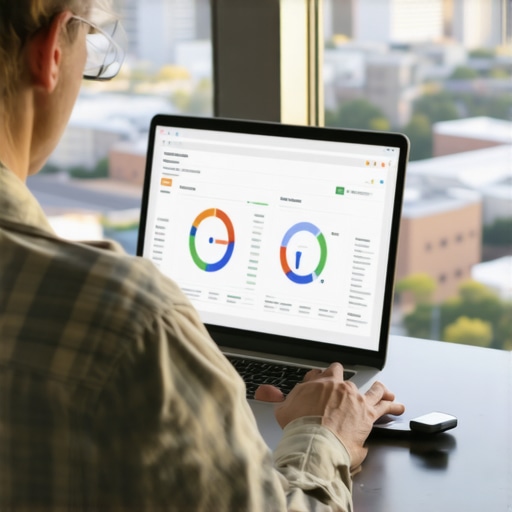 Many business owners assume that claiming and verifying their GMB profile is enough for local prominence, but in my experience, that’s just scratching the surface. A common misconception is that Google Maps rankings primarily depend on the number of reviews or keywords—while those are factors, they are not the entire story. Advanced local SEO reveals that signals like proximity, NAP consistency, and active engagement carry more weight than most realize. For example, a simple oversight like inconsistent address details across platforms can drastically hurt your visibility, despite having a stellar profile. Don’t fall into the trap of overemphasizing reviews without optimizing your local signals that Google prioritizes. It’s not just about appearing on Maps but ranking in a way that captures your local audience effectively. Moreover, many neglect the importance of local backlinks or properly structured service areas, which can elevate your ranking significantly. Advanced strategies also involve leveraging Google My Business attributes and posting updates regularly. This is where most beginners overlook the importance of active engagement signals, which recent studies show have a rising impact on local search rankings. Making these nuanced adjustments can move your shop from hidden to front and center. Are you crossing all these tactical boxes? If not, you might be missing out. For a comprehensive approach, explore our detailinglocal business ranking tips in North Carolina to ensure your shop doesn’t stay invisible. Remember, in the competitive world of Raleigh and beyond, small details make big differences. Have you ever fallen into this trap? Let me know in the comments.
Keep the Momentum Going with Advanced Tools
Maintaining and scaling your local business ranking on Google Maps requires more than just initial optimization; it demands consistent monitoring and adjustment. For this, I rely on a set of specific tools that have proven their worth in my own practice, helping me stay ahead of the competition in Raleigh and across North Carolina.
Google Business Profile Manager
This is a must-have for any local shop serious about visibility. By actively managing your profile through the official Google Business Profile Manager, you gain access to real-time insights, review management, and posting capabilities. I personally use this platform daily to respond to reviews promptly, which not only improves customer trust but also signals active engagement to Google’s algorithm.
BrightLocal
This comprehensive local SEO tool offers audit features, citation management, and review tracking. I’ve used BrightLocal extensively to identify inconsistencies in NAP data across directories, which can severely impede your rankings. Their review tracking feature helps me nurture customer feedback over time, ensuring my shop maintains a steady flow of fresh reviews—vital for long-term success on Google Maps.
SEMrush’s Local SEO Toolkit
While SEMrush is widely known for broader SEO metrics, its local SEO toolkit is tailored for businesses targeting specific geographic areas. I leverage its Position Tracking feature to monitor my Raleigh shop’s rankings on Google Maps daily. This allows me to see the immediate impact of my optimization tweaks, especially after implementing new local signals or updating content strategies.
GeoRanker
Particularly effective for hyper-local testing, GeoRanker enables me to view how my shop ranks from different zip codes and neighboring cities. This is crucial in understanding proximity variables. I use this data to fine-tune my local signals—like adjusting neighborhood-specific keywords—to better target nearby customers and improve visibility in nearby search results.
Automation and Trend Prediction
Automation tools like Zapier help me set up alerts for review responses, citation updates, and status changes in my GMB listings, keeping my process efficient. Predictions on where local SEO is headed suggest even more integration of AI-driven signals and voice search optimization, making tools that incorporate these features a wise investment for the future. To stay ahead, I recommend exploring emerging platforms and integrating your existing tools with AI analytics for proactive adjustments. An excellent resource for future trends can be found in this insightful guide.
How do I keep my tools working over time?
Regular audits are essential. Schedule monthly check-ins where you review analytics, update your profile with new photos or offers, and adjust based on ranking fluctuations. Tools like BrightLocal and SEMrush offer automated reports which simplify ongoing analysis. Remember, the local SEO landscape evolves rapidly—what worked last quarter might not work today. Staying flexible and making data-driven decisions is key to long-term success.
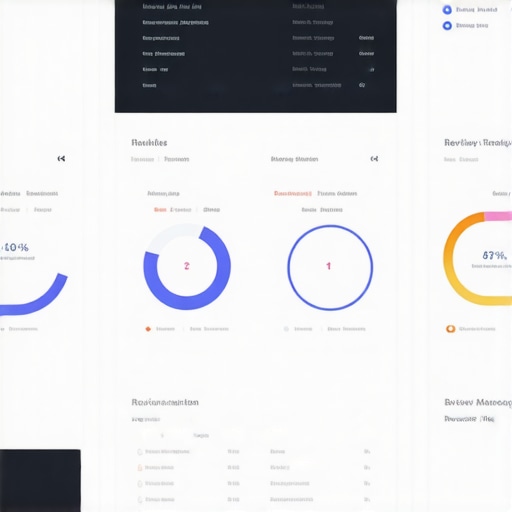
To visualize the impact of these tools, imagine a dashboard showing your ranking progress, review trends, and local signal strength—all streamlined into one interface. An effective image for this could be a screenshot of a local SEO dashboard in action, highlighting key metrics like GMB insights and keyword positions.
Lessons That Changed My Approach to Map Optimization
One of the most surprising insights I discovered was how much small details—like consistent address formats—could make or break my local rankings. I used to believe that reviews alone determined visibility, but I realized that recognition of the neighborhood signals and accurate location data are equally vital. Shifting my focus from quantity to quality in NAP consistency transformed my results. Additionally, I learned that active engagement, such as regular GMB posts and responding to reviews, creates a dynamic signal that Google favors for local prominence. Finally, I understood that leveraging local backlinks from trusted North Carolina sources amplifies authority, putting my shop ahead of competitors despite smaller review counts.
Comments are closed.