
My Journey into Google Maps Optimization for Raleigh Businesses
When I first started exploring local SEO in Raleigh, I was overwhelmed by the sheer number of strategies and tools available. One thing I quickly realized was the importance of optimizing Google Maps to boost local visibility. I remember the first time I managed to get a client’s business to rank on the coveted 3-pack—such a game-changer! Since then, I’ve dived deep into the nuances of Google Maps optimization, especially tailored for Raleigh’s vibrant small business community.
Why Google Maps is a Must-Have for Raleigh Entrepreneurs
Living in Raleigh, I see firsthand how consumers rely on Google Maps to find nearby services. Whether it’s a cozy coffee shop or a bustling auto repair shop, positioning your business correctly on Google Maps can dramatically increase foot traffic. According to North Carolina SEO experts, local map rankings are now more critical than ever for small businesses aiming to stay competitive.
My Top Techniques for Google Maps Optimization in 2024
Over the years, I’ve tested and refined several tactics. Here are the ones that consistently deliver results for Raleigh businesses:
- Complete Your Google My Business Profile: Fill out every detail, from business hours to categories, ensuring accuracy and consistency.
- Encourage Genuine Reviews: I always advise clients to ask happy customers for reviews—authentic feedback can boost rankings and credibility.
- Use Local Keywords Strategically: Incorporate terms like “Raleigh” and specific service keywords naturally into your GMB description and posts.
- Build Local Citations: Consistent NAP (Name, Address, Phone) information across directories signals trustworthiness to Google.
What’s the Secret Sauce for Dominating Google Maps in Raleigh?
Is there a magic formula for local map rankings?
While there’s no secret potion, combining optimized profiles, positive reviews, and a solid local SEO foundation really helps. I also recommend staying updated with the latest techniques, like those outlined in Raleigh SEO strategies for 2025. Google’s algorithms evolve, and so should our tactics.
If you’re eager to learn more, I invite you to share your experiences or ask questions below. Connecting with fellow Raleigh entrepreneurs is how I continue to grow and adapt my strategies!
How Can Raleigh Businesses Leverage Local SEO Trends for Maximum Google Maps Visibility?
Staying ahead in the competitive Raleigh local market requires an astute understanding of emerging SEO trends. As Google continues to refine its algorithms, integrating AI-driven insights, voice search optimization, and mobile-first strategies becomes essential. For instance, optimizing your Google My Business profile with structured data markup can enhance your chances of appearing in rich snippets and local packs. Additionally, incorporating geo-specific keywords subtly into your website content and reviews can signal relevance to both users and search engines.
Are there innovative tactics that Raleigh businesses are overlooking in Google Maps optimization?
Absolutely. Many small businesses focus solely on traditional optimization tactics, but innovative approaches like leveraging Google Posts regularly to share updates, offers, and events can significantly influence rankings. Engaging customers through Q&A sections and ensuring prompt responses can also improve your local authority. Moreover, collaborating with local influencers and community groups to generate authentic backlinks and reviews can create a ripple effect that boosts visibility. To deepen your understanding, explore detailed strategies outlined at Raleigh SEO mastery tips.
How Do Google’s Algorithm Updates Impact Your Raleigh Map Listings?
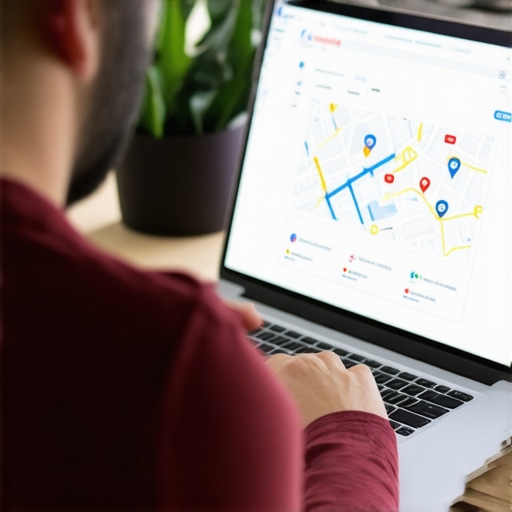
Google frequently updates its algorithms, which can unexpectedly affect local rankings. It’s crucial for Raleigh businesses to stay informed about these changes through reputable sources like local SEO expert insights. For example, recent updates emphasize the importance of user experience signals—like page load speed, mobile responsiveness, and user engagement metrics—in determining local search prominence. Adapting to these shifts involves continuous monitoring of your profile’s performance, updating content regularly, and maintaining consistent NAP information across all platforms.
To truly excel, consider integrating local schema markup on your website, which helps Google understand your business context better, thereby improving your chances of appearing in featured snippets and map packs. For comprehensive guidance, visit North Carolina SEO secrets.
What Practical Steps Can Raleigh Entrepreneurs Take Today to Enhance Google Maps Rankings?
Begin by auditing your current Google My Business profile; ensure all information is accurate, complete, and optimized with relevant keywords like “Raleigh” and your niche. Encourage satisfied customers to leave detailed reviews—these are a significant ranking factor. Next, build local citations by listing your business in reputable directories, ensuring your NAP details are consistent everywhere.
Additionally, actively engage with your community through local events, sponsorships, or collaborations, which can generate valuable backlinks and social signals. Regularly posting updates, offers, or news on your GMB profile keeps your listing fresh and engaging. For a deeper dive into these tactics, check out local business ranking tips.
What’s the Hidden Layer of Google Maps Optimization That Most Raleigh Businesses Overlook?
As I’ve delved deeper into the nuances of local SEO, I’ve come to realize that many small businesses in Raleigh get caught up in the basics—claiming their GMB profile, collecting reviews, and building citations. While these are essential, the real game-changer lies beneath these surface efforts. One of the most underrated tactics I discovered involves leveraging Google’s local schema markup on your website. When properly implemented, schema helps Google understand your business context more precisely, which can boost your chances of appearing in rich snippets and the coveted map pack. It’s like speaking Google’s language fluently, and it’s a tactic that requires a bit of technical finesse but pays off exponentially.
From my experience, integrating schema isn’t just about boosting rankings; it’s about creating a more cohesive user experience—making your listing not just visible, but also instantly informative. Imagine a potential customer searching for “Raleigh pizza delivery,” and your business pops up with star ratings, operating hours, and even menu snippets directly in the search results. That’s the power of advanced optimization techniques that many Raleigh entrepreneurs haven’t fully tapped into yet.
How Do You Keep Up With the Ever-Changing Google Landscape Without Losing Your Mind?
Google’s algorithm updates can feel like riding a rollercoaster—thrilling but unpredictable. I’ve learned that the key isn’t just reacting to updates but proactively understanding the underlying trends. For instance, recent shifts emphasize user experience signals—including mobile responsiveness, page load speed, and user engagement. To stay ahead, I set aside time monthly to audit my clients’ profiles and websites, ensuring they align with Google’s evolving criteria. Staying informed through trusted sources like local SEO expert insights helps me anticipate changes rather than react to them.
One advanced strategy I recommend is monitoring your competitors’ profiles. Tools like BrightLocal or SEMrush can reveal gaps in your local SEO efforts. By identifying what’s missing—be it reviews, local backlinks, or updated NAP info—you can craft a targeted plan that keeps your business ahead of the curve. Remember, the goal isn’t just to rank higher temporarily but to build a resilient, adaptable local presence.
Have You Tried Engaging Your Customers Beyond Reviews?
Absolutely. Customer engagement is more than just reviews; it’s about creating a vibrant community around your business. I’ve seen remarkable results from leveraging Google Posts—sharing updates, offers, and behind-the-scenes stories—because they signal activity and relevance to Google. Additionally, actively managing the Q&A section by promptly answering questions positions your business as approachable and trustworthy. These small, consistent efforts build authority and keep your listing fresh, which is favored in the algorithm.
If you’re looking to explore these advanced tactics further, I encourage you to check out comprehensive Raleigh SEO strategies. Sharing your own experiences or questions below can also spark valuable discussions—after all, local SEO is a journey best navigated together.
What’s Next? How to Future-Proof Your Google Maps Strategy in Raleigh
The future of local SEO, especially in a dynamic market like Raleigh, hinges on embracing innovation and continuous learning. Voice search, AI-driven insights, and mobile-first indexing are no longer optional—they are essential. By integrating structured data, optimizing for voice queries, and maintaining a pulse on community trends, your business can stay resilient against algorithm shifts.
And remember—your local presence isn’t just about rankings; it’s about building genuine trust and relationships within your community. As I reflect on my journey, I see that the most successful Raleigh businesses are those that combine technical savvy with authentic engagement. If you’re eager to stay ahead, keep experimenting, learning, and sharing your insights. Let’s continue this conversation—your experiences might just inspire the next big breakthrough in local SEO!
Unlocking the Power of Local Schema Markup for Raleigh Businesses
One of the most transformative yet underutilized techniques in local SEO today is the implementation of local schema markup. This technical optimization allows Raleigh entrepreneurs to communicate directly with Google, providing detailed, structured data about their business such as operating hours, service areas, and product offerings. When correctly embedded on your website, schema markup can significantly enhance your visibility in local search results, especially in rich snippets and the map pack. As detailed by Moz’s SEO expert team, schema is crucial for building a semantic understanding that surpasses traditional keyword and citation strategies, especially in competitive markets like Raleigh.
Why Voice Search Optimization Will Be a Game Changer in Raleigh
With the rise of voice-activated devices and mobile voice queries, optimizing for voice search has become a necessity rather than an option. In Raleigh, where mobile device usage is prevalent among local consumers, integrating conversational keywords and natural language into your content can position your business as the top answer for voice inquiries like “Where’s the best pizza delivery near me?” or “Raleigh auto repair shops open now.” According to a study by BrightLocal, 58% of consumers have used voice search to find local business information in the past year, underscoring this trend’s importance. To capitalize on this, I recommend tailoring your Google My Business posts and website content for voice-friendly search queries and ensuring yourNAP details are consistently accurate across all platforms.
How Can Raleigh Businesses Leverage AI and Data Analytics for Local SEO Success?
Advanced AI-driven tools, such as SEMrush’s Local SEO Insights or BrightLocal’s Citation Tracker, enable Raleigh entrepreneurs to analyze competitors’ profiles, identify gaps, and uncover emerging trends in local search behavior. These insights help craft hyper-targeted strategies—be it optimizing for niche keywords, enhancing review acquisition efforts, or refining your content marketing approach. By integrating data analytics into your ongoing SEO efforts, you can adapt swiftly to algorithm updates and shifts in consumer preferences. For example, using AI to monitor your competitors’ backlink profiles can reveal partnership opportunities or local collaborations that boost your authority and visibility. As Search Engine Journal emphasizes, harnessing AI in local SEO not only streamlines your efforts but also unlocks predictive insights that keep your business ahead of the curve.
To deepen your understanding of these sophisticated tactics, I invite you to explore our comprehensive guides on future-proofing your Google Maps strategy and how to integrate structured data effectively. Sharing your experiences or questions below can spark valuable discussions—together, we can navigate the evolving landscape of local SEO and secure your Raleigh business’s digital dominance.
Things I Wish I Knew Earlier (or You Might Find Surprising)
The Power of Local Schema Markup
When I first started optimizing for Raleigh businesses, I underestimated how much structured data could boost visibility. Implementing local schema markup on websites transformed my approach, making listings more informative and attractive in search results. It’s like giving Google a detailed map of your business—something I wish I had discovered sooner.
The Impact of Google Posts and Community Engagement
Initially, I thought reviews and citations were enough. Then I realized that regularly posting updates, offers, and news through Google Posts keeps your profile fresh and signals activity to Google. Engaging with your community through local events or sponsorships also creates valuable backlinks and social signals that can elevate your rankings—less obvious but incredibly effective.
Voice Search Optimization Is No Longer Optional
Early on, I overlooked how voice search was changing local SEO. Optimizing for natural language and conversational queries has become essential, especially in Raleigh, where mobile device usage is high. Incorporating voice-friendly keywords into your GMB and website content can put your business in the spotlight for voice-activated inquiries.
Monitoring Competitors with AI Tools
Using AI-powered tools like SEMrush or BrightLocal to analyze competitors’ profiles revealed gaps and opportunities I hadn’t seen. This data-driven approach helps craft hyper-targeted strategies, whether that’s improving review acquisition or building local backlinks. It’s like having a secret weapon in your SEO arsenal that I wish I had started using earlier.
Balancing Technical SEO with Authentic Engagement
While technical tactics like schema markup and citations are crucial, genuine customer engagement—responding to reviews, answering questions—builds trust and authority. I learned that the most successful Raleigh businesses combine these elements seamlessly, creating a resilient local presence that adapts to algorithm changes.
Resources I’ve Come to Trust Over Time
- Google’s Official Help Center: A reliable source for understanding updates and best practices directly from Google. I refer to it regularly to stay informed.
- Moz’s SEO Blog: Moz offers in-depth guides and expert insights that helped me grasp complex topics like schema markup and local SEO strategies.
- BrightLocal Blog: A treasure trove for local SEO tips, competitor analysis, and case studies specific to small businesses like those in Raleigh. I recommend it to anyone serious about local visibility.
Parting Thoughts from My Perspective
Reflecting on my journey with Google Maps optimization for Raleigh businesses, I realize that the most impactful lessons come from experimenting with both technical tactics and community engagement. The key is not just ranking higher but building a trustworthy, active presence that resonates locally. If you’re serious about elevating your local SEO game, remember that continuous learning and genuine interaction are your best allies. Check out the latest strategies here, and don’t hesitate to share your own experiences—I’d love to hear how you’re navigating this ever-evolving landscape. Let’s grow together!
Reading about your journey into Google Maps optimization for Raleigh really resonated with me. I’ve been managing local SEO for small businesses here for a few years now, and I agree that the combination of technical strategies and community engagement makes all the difference. I particularly find the emphasis on schema markup intriguing—I haven’t yet integrated it on all my clients’ sites, but I plan to explore it further since the potential for rich snippets could really elevate local visibility. One challenge I often face is maintaining a consistent flow of authentic reviews, especially during slow seasons. Do you have any tips for encouraging reviews without seeming pushy? Also, how do you balance updating Google Posts with managing day-to-day operations? Would love to hear your insights or any success stories on these fronts.
Your detailed journey into Google Maps optimization really struck a chord with me, especially since I’m newer to local SEO in Raleigh but eager to develop effective strategies. I appreciate how you emphasized not just the technical side, like schema markup, but also the importance of local community engagement. I’ve noticed that incorporating Google Posts consistently seems to help keep the profile fresh and relevant, but balancing that with daily operations can be challenging.
One thing I’ve been exploring is how to automate some of the review requests in a way that feels genuine. Do you have any tried-and-true methods for encouraging reviews without seeming pushy? Also, I’d love to hear your thoughts on prioritizing updates—should we focus more on reviews, posts, or technical optimizations first in the early stages of building local visibility? Looking forward to hearing your insights and learning from your experience as I continue to refine my approach in Raleigh’s competitive market.